Why the garden calendar is unforgiving
Garden retail is one of the most seasonal categories in non-food. Watering, garden tools and greenhouses sell mostly from March to June. Barbecues, garden furniture and solar lighting peak from April to August. A hose that arrives in July sells at a discount, and a furniture set that misses May often waits a full year in the warehouse.
Factory-direct goods add two fixed delays. Production takes 25–45 days once samples and artwork are approved, and transport by rail or sea to Poland takes 25–45 days. On top of that, the factory holidays in late January–February stop production for three to five weeks. Count backwards from your selling start and the order date for spring lands in autumn.
The calendar at a glance
| Month | Garden and BBQ ranges | Tools, fasteners, storage |
|---|---|---|
| August–September | Review last season’s sell-through, choose categories and price points, request samples | Review fast lines and gaps |
| October–November | Approve samples and artwork, place private label and imported spring orders | Order for Q1 replenishment |
| December | Production; last chance for simple catalogue lines before the holidays | Production and shipping |
| January–February | Factory holidays; goods in transit; in-season top-ups from stock items | Top-ups from stock items |
| March–May | Staged deliveries, display set-up, peak garden sales | Spring DIY peak |
| June–July | Peak BBQ and furniture; plan clearance; first look at next season | Steady replenishment |
August–September: decide what you will sell
Start with your own data. Which watering lines sold out, which grills were left over, which furniture sets were discounted? Split the range into three groups: proven lines to repeat, gaps to fill and lines to drop. Then set price points. A garden centre might want an entry, a middle and a premium option in each category, for example three hose reel trolleys or three charcoal grills.
This is the time to request samples. Sample lead time is about 7–14 days, and a grill, greenhouse or furniture sample needs to be assembled and used, not only unpacked.
October–November: the real order window
Private label and imported spring programmes must be ordered now. In practice this means:
- approving the pre-production sample for each private label model;
- signing off artwork for packaging, labels and multilingual manuals;
- confirming quantities and the delivery split;
- paying the deposit, typically 30–50 %, to secure the production slot.
Factories fill their pre-holiday capacity quickly. An order confirmed in mid-November usually ships before the break. An order confirmed in mid-January usually does not. Our seasonal programme is built around this window.
December to February: production, holidays and transit
Goods produced in December ship before the factory holidays and arrive in Poland in time for March. During the holidays, nothing is produced, and the first weeks after restart are busy with delayed orders. If you have not ordered by then, you are limited to items already in stock or fast-moving lines from our catalogue, or to scheduling the order for summer and autumn.
Staged deliveries: spring, then summer
You do not have to take everything in March. Many retailers split one programme into two or three deliveries:
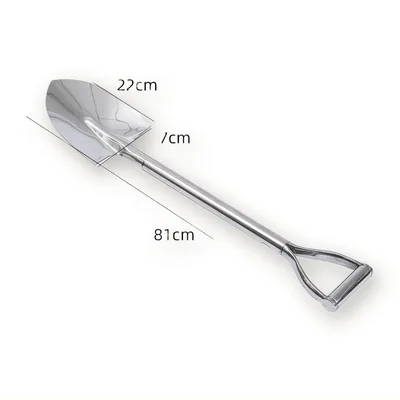
- Early spring: garden tools, watering, greenhouses, seed-starting mini greenhouses, pruning and cleaning tools.
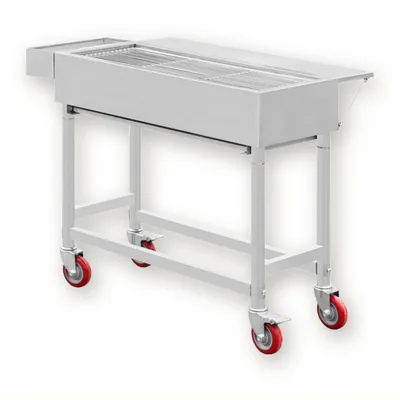
- Late spring: barbecues, grill accessories, garden furniture, parasols, solar lights.
- Early summer: top-ups of best sellers, sprinklers and pumps for dry weeks, hammocks and swings.
Staged delivery eases cash flow and warehouse space. Furniture and greenhouses are bulky, and a single March delivery can fill a back store. Ask for display packaging and shelf-ready cartons in the same order, so stores can set up quickly.
Year-round categories run on a different clock
Drills, grinders, hand tools, bit sets, fasteners, electrical and plumbing parts and workshop storage sell all year. For these, the main risk is stock-outs during the spring DIY peak. Plan replenishment orders so that goods arrive by February, and use autumn to test new models and request samples for the next range. Browse the catalogue for MOQs and indicative prices per model.
Weather, risk and how much to commit
A cold April or a wet June can shift garden sales by weeks. You cannot order around the weather, but you can spread the risk:
- Commit early on proven lines. Hoses, spray guns, pruning shears and grill tools sell every year. Order the bulk of these in the autumn window.
- Keep new lines smaller. A first-season kamado or a new furniture set is safer at the factory MOQ, with a second wave planned if it sells.
- Hold back weather-driven extras. Sprinklers, drip kits, drainage pumps and summer lines such as hammocks react to the weather. A small reserve in the summer wave lets you follow demand.
- Agree what happens to leftovers. Furniture and grills store well in their cartons, but they take space. Decide before ordering whether surplus is carried over or cleared in August.
Private label adds one more consideration. Goods with your brand cannot be returned or resold to another customer, so the quantity you commit to should match what you are confident you can sell, with catalogue lines covering the uncertain part.
What changes for each type of buyer
- Garden centres: breadth across many categories in modest quantities; display packaging matters; staged deliveries are common.
- DIY stores and chains: depth in fast lines, fixed listing dates and promotional weeks; artwork and EAN codes must be ready early.
- Online sellers: a few products in larger quantities; listings must be live before March so they can collect reviews.
- Hospitality: furniture and parasols for a fixed number of covers, needed before the terrace opens in April or May.
Planning in practice
Put three dates in your diary: the sample request date in September, the order confirmation date in November and the first delivery date in March. Work backwards from the last one with 8–12 weeks from order to warehouse. If any date has passed, choose catalogue stock items for this season and move the private label part to the next. Our page for garden centres shows how a typical programme is put together.
Write the plan into one table: category, model, quantity, delivery wave and the date each decision must be taken. Share it with whoever approves budgets. Most missed seasons come from a late budget sign-off, not from the factory.