Two sets of rules, one product
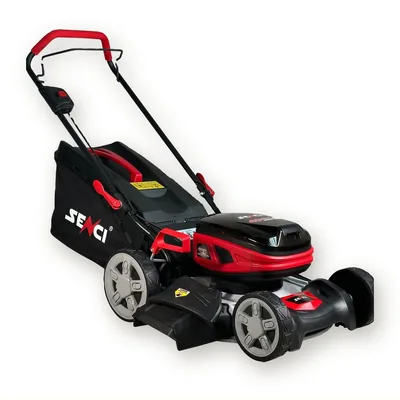
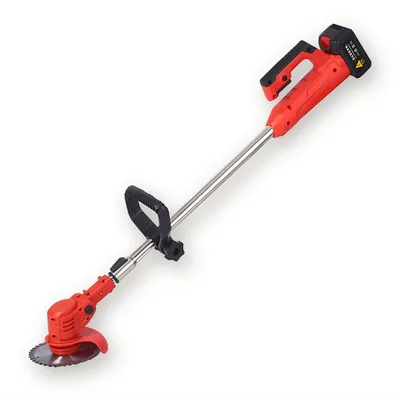
A cordless hedge trimmer is electrical equipment, so it falls under the WEEE Directive 2012/19/EU. Its battery pack is a battery, so it also falls under the Batteries Regulation (EU) 2023/1542. A solar path light is both too: a light with a built-in rechargeable cell. Mains-powered tools, pumps and LED floodlights have only the WEEE side, unless they include a battery.
The two systems work in a similar way. The producer, meaning the company that first makes the product available in a given country, must register there, report quantities and finance collection and recycling. Registration is national. A product sold in Germany, Poland and France needs registration in all three countries.
Who is the producer
This is the question most buyers get wrong. The producer for WEEE and batteries is not necessarily the factory. It is usually:
- the EU company that imports the product and sells it in that country;
- a brand owner selling under its own name in that country;
- for distance sales to consumers in another country, the seller, or an authorised representative appointed there.
If you buy from an EU importer and resell in the same country where the importer is registered, the importer may already be the producer for those units. If you sell across borders, or under your own brand, you may have obligations in each country. We explain who registers what for each order; our quality page lists the documents we provide.
WEEE in practice
For each country of sale, the producer typically has to:
- register with the national register, for example stiftung ear in Germany or the BDO database in Poland;
- show the registration number on invoices and, in some countries, in online listings;
- mark products with the crossed-out wheelie bin symbol;
- report quantities placed on the market and join a take-back system;
- inform customers about return options.
Marketplaces check WEEE registration numbers before allowing electrical products to be listed in several countries. A missing number is a common reason for listings being blocked.
Costs are usually made up of a registration fee, an annual fee to the take-back scheme and a charge based on the weight placed on the market. For a garden range they are modest per unit, but they should be in the calculation from the start. Products also need to be assigned to the right WEEE category: a cordless drill, an LED floodlight and a pond pump may fall into different categories with different reporting. Ask your scheme or register before the first report is due, not after.
The Batteries Regulation step by step
The Batteries Regulation replaces the old Batteries Directive and adds new duties in stages. For cordless tool packs and the cells in solar lights, which are portable batteries in the Regulation’s terms, the main points are:
- Producer registration in each country of sale and participation in a collection scheme, under the extended producer responsibility rules applying since August 2025.
- Marking: the crossed-out bin symbol and chemical symbols where required, plus capacity and other label information as the labelling rules come into force from August 2026.
- Removability and replaceability: from 18 February 2027, portable batteries built into appliances must in principle be removable and replaceable by the end user with commonly available tools, with limited exceptions.
- Due diligence and carbon footprint rules apply in further stages to certain battery types; check them with the manufacturer for large packs.
The replaceability rule matters most for solar lights and small electronics. A solar light with a glued-in cell may not meet the requirement from 2027. When you plan ranges for spring 2027, ask manufacturers whether the battery compartment is accessible and whether replacement cells are available.
Lithium batteries in transport
Lithium-ion packs ship as dangerous goods. The manufacturer must provide the UN 38.3 test summary for the battery, and the shipment must be packed and declared accordingly. Some air and rail routes accept only limited quantities or charge extra. Plan cordless tools in sea or rail shipments where possible, and keep battery data with the order file. Samples by air need the same documents.
Solar lights: what else to check
Solar garden lights are popular low-price lines, and they are often sold with very little paperwork. Before ordering, ask for:
- the EU declaration of conformity covering EMC and RoHS, and the LVD where mains parts are involved;
- the battery type, capacity and whether it is replaceable;
- the light source data, as ecodesign and energy-labelling rules may apply per model;
- the IP rating and the stated runtime, as given by the manufacturer.
On product pages, repeat only the manufacturer’s figures for runtime, brightness and water resistance. Our garden and solar lighting page follows that rule.
Private label raises the stakes
If cordless tools or lights carry your brand, you are likely to be treated as the producer in the countries where you sell them. That means your own WEEE and battery registrations, your name on the product and the declarations. Factor in the registration and scheme fees when you calculate the margin. For a small range sold in one country, the effort is modest. For a cordless platform sold in several countries, plan it as a project before you approve artwork.
A checklist for electrical lines
- Which countries will you sell in, and who is the producer in each?
- WEEE registration number per country, shown where required.
- Battery producer registration and collection scheme per country.
- Crossed-out bin symbol on product and battery, and label data.
- Removable and replaceable batteries for products placed on the market from February 2027.
- UN 38.3 test summary for lithium packs.
- Declarations of conformity matching the model numbers.
Buying through an EU importer
For many garden centres and hardware shops, the simplest route is to buy electrical lines from an importer who is already registered in their country and provides the documents. For online sellers shipping to several countries, registration is usually needed in each one regardless of the source. Tell us your countries of sale when you request an offer, and we will set out who is responsible for each registration.